

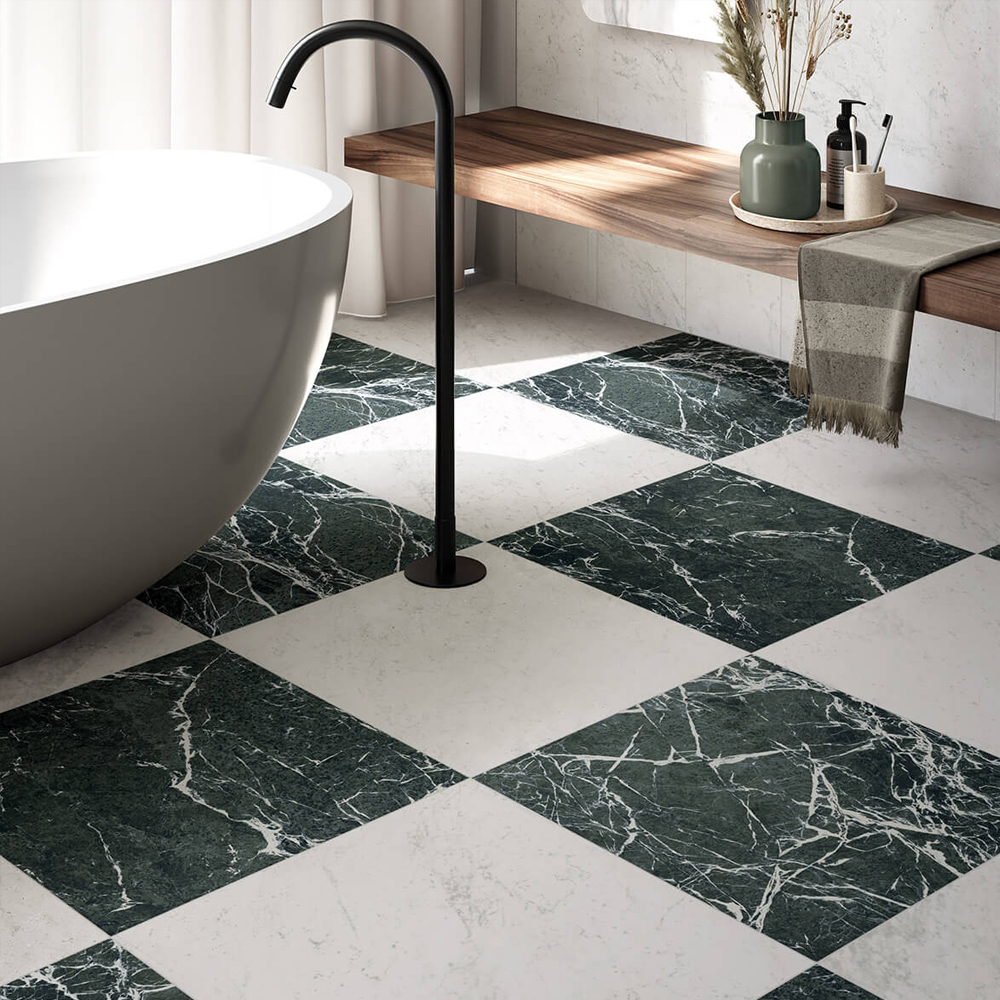
Interior design has always been a reflection of cultural trends, personal style, and technological advancements. Over the years, materials have played a pivotal role in shaping the aesthetics and functionality of living spaces. Among these, tile has emerged as a powerful tool, blending art, innovation, and utility. Modern tile is no longer just a practical solution for floors and walls—it is a statement of style, a medium for creativity, and a central element in the future of interior design.
Evolution of Tile in Interior Design
Tile has a rich history that spans thousands of years. From the intricate mosaics of ancient civilizations to the classic ceramic tiles of the 20th century, tiles have always offered durability and visual appeal. However, the modern era has redefined tile, moving beyond mere function into the realm of design innovation.
Advancements in material science have allowed tiles to become lighter, stronger, and more versatile. Porcelain, glass, and natural stone tiles are now engineered to offer not only aesthetic versatility but also resistance to wear, moisture, and environmental damage. These innovations have made modern tiles a preferred choice for designers seeking both form and function.
The Role of Technology
Technology is at the heart of the modern tile revolution. Digital printing, 3D modeling, and laser cutting have transformed the way designers and homeowners approach tile. Digital printing allows for the creation of ultra-realistic textures, from marble and wood to abstract patterns and photographic imagery. This enables a designer to replicate natural materials without the high cost or environmental impact of sourcing them.
3D modeling and virtual reality (VR) tools allow designers to visualize spaces with precision. Homeowners can now “walk through” a space before installation, testing different tile patterns, colors, and finishes. This immersive approach ensures that the final result matches the vision, reducing errors and increasing satisfaction.
Laser cutting technology is pushing the boundaries of tile design even further. Intricate geometric shapes, mosaics, and custom-cut patterns are now possible, opening new possibilities for accent walls, decorative panels, and feature flooring. These advancements allow tiles to be both functional and sculptural, creating spaces that are unique, dynamic, and highly personalized.
Sustainable and Eco-Friendly Tiles
Sustainability is no longer an option; it is a responsibility. Modern tile manufacturers are embracing eco-friendly practices, creating products from recycled materials, using energy-efficient production methods, and ensuring tiles are durable enough to reduce waste. For instance, porcelain tiles can be made from recycled glass and natural minerals, offering long-lasting beauty with a minimal environmental footprint.
Sustainable tiles also provide health benefits. Tiles that are free from harmful chemicals or heavy metals contribute to better indoor air quality, a critical aspect of modern home design. The combination of sustainability and aesthetics makes modern tile a central element in eco-conscious interior design.
Design Trends Shaping the Future
Several emerging trends highlight how modern tile is shaping the future of interior design:
-
Large-Format Tiles: Bigger tiles create the illusion of space and provide a seamless, minimalist look. They are especially popular in bathrooms and open-plan living areas, where continuity and flow are key.
-
Textured Surfaces: Tiles with tactile surfaces add depth and dimension to interiors. From ridged ceramic to embossed stone, textures enhance the sensory experience, making spaces more engaging.
-
Mixed Materials: Combining tile with other materials, such as wood, metal, or glass, allows for contrast and visual interest. Designers are experimenting with layering different textures and finishes to create multi-dimensional spaces.
-
Custom Patterns and Personalization: Personalized tile designs are increasingly in demand. Homeowners and designers are opting for patterns that reflect individual style, cultural heritage, or artistic preferences. Custom mosaics, monograms, and even digitally printed photographs on tiles are gaining popularity.
-
Bold Colors and Geometric Shapes: Modern tile design is embracing bold color palettes and geometric patterns. These elements bring vibrancy and energy to a room, turning functional surfaces into artistic focal points.
Modern Tile in Different Spaces
Kitchens
Kitchens are no longer just utilitarian spaces; they are social hubs and showpieces of modern living. Tiles in kitchens are evolving from simple backsplashes to statement walls and patterned flooring. Modern tiles offer high resistance to heat, stains, and moisture, making them perfect for both aesthetic and functional purposes. Metallic finishes, encaustic patterns, and geometric tiles are trending choices for contemporary kitchens.
Bathrooms
Bathrooms are transforming into spa-like retreats, and tile plays a central role in this shift. Large-format porcelain tiles create a sleek, seamless look, while textured tiles add depth and luxury. Modern tiles in soft neutrals or bold patterns can evoke calm, sophistication, or playful energy, depending on the desired ambiance. Waterproof digital murals and glass tiles are also enhancing the sense of opulence and personalization.
Living and Dining Areas
In living and dining areas, tiles are moving beyond the floor. Wall cladding, accent panels, and even ceilings are becoming canvases for modern tile design. Mixed-material tiles—combining ceramic with wood-look finishes, glass inserts, or metallic accents—allow these common areas to tell a visual story that is unique to the homeowner. The flexibility and durability of tiles make them a favorite for high-traffic areas, balancing style with practicality.
Outdoor Spaces
Outdoor living is becoming increasingly important in modern architecture. Porcelain and stone tiles are ideal for patios, balconies, and garden pathways due to their weather resistance. With slip-resistant surfaces and large-format options, outdoor tiles extend the design aesthetic beyond the walls, connecting indoor and outdoor living seamlessly.
The Integration of Smart Features
The future of modern tile also intersects with smart home technology. Innovations such as tiles with integrated LED lighting, heating, or even energy-harvesting capabilities are no longer science fiction. Heated floor tiles enhance comfort in colder climates, while LED tiles can create mood lighting or guide pathways in large homes. The integration of these smart features adds functionality without compromising aesthetics, exemplifying the convergence of technology and design.
Challenges and Considerations
While the future of tile is bright, designers must navigate certain challenges:
-
Cost: High-quality and custom tiles can be expensive. Budget-conscious projects require careful planning to achieve a balance between quality and affordability.
-
Installation: Complex patterns, large-format tiles, or smart-integrated tiles demand precise installation, which may require professional expertise.
-
Maintenance: Although modern tiles are generally easy to maintain, textured or delicate finishes may need special care to preserve their appearance over time.
Despite these considerations, the versatility, durability, and aesthetic appeal of modern tiles make them a worthwhile investment in the long term.
Conclusion
Modern tile is transforming interior design from mere decoration into a multidimensional experience. With technological innovations, sustainable practices, and ever-expanding design possibilities, tiles are becoming central to how spaces are envisioned, created, and lived in. From kitchens and bathrooms to living areas and outdoor spaces, tiles are no longer just surfaces—they are statements, storytellers, and tools for personal expression.
The future of interior design is bright, bold, and tactile, and modern tile is leading the charge. Homeowners and designers alike are discovering that the right tile can elevate a space, balance functionality with beauty, and create environments that are both inspiring and enduring. As trends continue to evolve, one thing is clear: the modern tile is not just a material—it is the future of stylish, innovative, and sustainable living.


Leave a Reply