

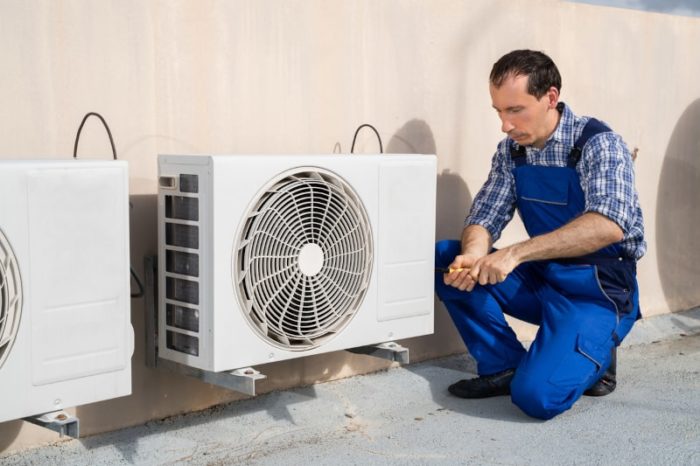
HVAC installation is a critical component of maintaining comfort and efficiency in residential and commercial buildings. HVAC, which stands for Heating, Ventilation, and Air Conditioning, is the system responsible for regulating indoor climate, ensuring clean air circulation, and providing adequate heating or cooling. Whether you are building a new home, replacing an old unit, or upgrading your system, understanding the HVAC installation process is essential for optimal performance and longevity.
Understanding HVAC Systems
Before delving into the installation process, it’s important to understand the components of an HVAC system. A standard system typically includes a furnace or heat pump for heating, an air conditioner or cooling unit, ductwork for air distribution, vents, and thermostats for temperature control. Modern HVAC systems may also include air purifiers, humidifiers, and advanced smart controls for energy efficiency.
Choosing the right HVAC system depends on several factors, including the size of your building, your climate, energy efficiency goals, and budget. A system that is too small will struggle to maintain the desired temperature, while an oversized system can cycle on and off frequently, wasting energy and reducing lifespan.
The HVAC Installation Process
The HVAC installation process requires careful planning, precise measurements, and professional expertise. Here’s a breakdown of the steps typically involved:
-
Assessment and Load Calculation
The first step in HVAC installation is a thorough assessment of the building. Professionals perform a load calculation to determine the exact heating and cooling requirements. This involves evaluating the size of each room, insulation levels, number of windows, and local climate conditions. Accurate load calculation ensures the system is appropriately sized, maximizing efficiency and comfort. -
Selecting the Right System
Once the load calculation is complete, the next step is selecting a suitable HVAC system. Options include split systems, packaged systems, ductless mini-splits, and hybrid systems. The choice depends on the layout of your building, budget, and energy efficiency preferences. High-efficiency units may cost more upfront but provide long-term savings on energy bills. -
Preparing the Installation Site
Before installation begins, the site must be prepared. This includes clearing space for indoor and outdoor units, ensuring proper electrical connections, and preparing ductwork or conduits. Proper site preparation is critical to avoid future complications such as airflow restrictions, leaks, or electrical issues. -
Installation of Components
During the installation phase, technicians carefully install each component of the HVAC system. The furnace or heat pump is placed indoors, while the air conditioning unit is installed outside. Ductwork is connected to ensure proper airflow, and vents are strategically positioned throughout the building. Electrical wiring, gas lines (if applicable), and refrigerant lines are installed according to manufacturer specifications and local building codes. -
System Testing and Calibration
After installation, the HVAC system must be tested and calibrated. This includes checking airflow, verifying thermostat settings, and ensuring the system cycles correctly. Technicians also inspect refrigerant levels, gas connections, and electrical components to guarantee safe and efficient operation. Any necessary adjustments are made to optimize performance. -
User Training and Maintenance Guidance
A good HVAC installation includes educating the building owner on system operation and maintenance. Regular maintenance, such as changing air filters, cleaning ducts, and scheduling annual inspections, is crucial for extending the system’s lifespan and maintaining efficiency. Professional installers often provide maintenance plans or recommendations tailored to the system.
Importance of Professional HVAC Installation
HVAC installation is a complex task that requires specialized knowledge, tools, and adherence to safety standards. Improper installation can lead to poor performance, higher energy bills, frequent breakdowns, and safety hazards such as gas leaks or electrical failures. Hiring certified HVAC professionals ensures that the system is installed correctly, complies with local codes, and operates at peak efficiency.
Energy Efficiency and Long-Term Benefits
A properly installed HVAC system not only improves comfort but also reduces energy consumption. Modern systems are designed with energy-saving features, including programmable thermostats, variable-speed motors, and high SEER (Seasonal Energy Efficiency Ratio) ratings. Investing in professional hvac installation can lead to significant savings on energy bills while minimizing your environmental footprint.
Conclusion
HVAC installation is more than just placing a furnace or air conditioner in your home or office; it is a precise process that ensures optimal performance, energy efficiency, and indoor comfort. From careful assessment and load calculation to professional installation and maintenance guidance, every step plays a crucial role in the system’s effectiveness. Whether you are upgrading an old system or installing a new one, choosing the right HVAC installation service ensures reliable, long-lasting results and a comfortable indoor environment year-round.
