

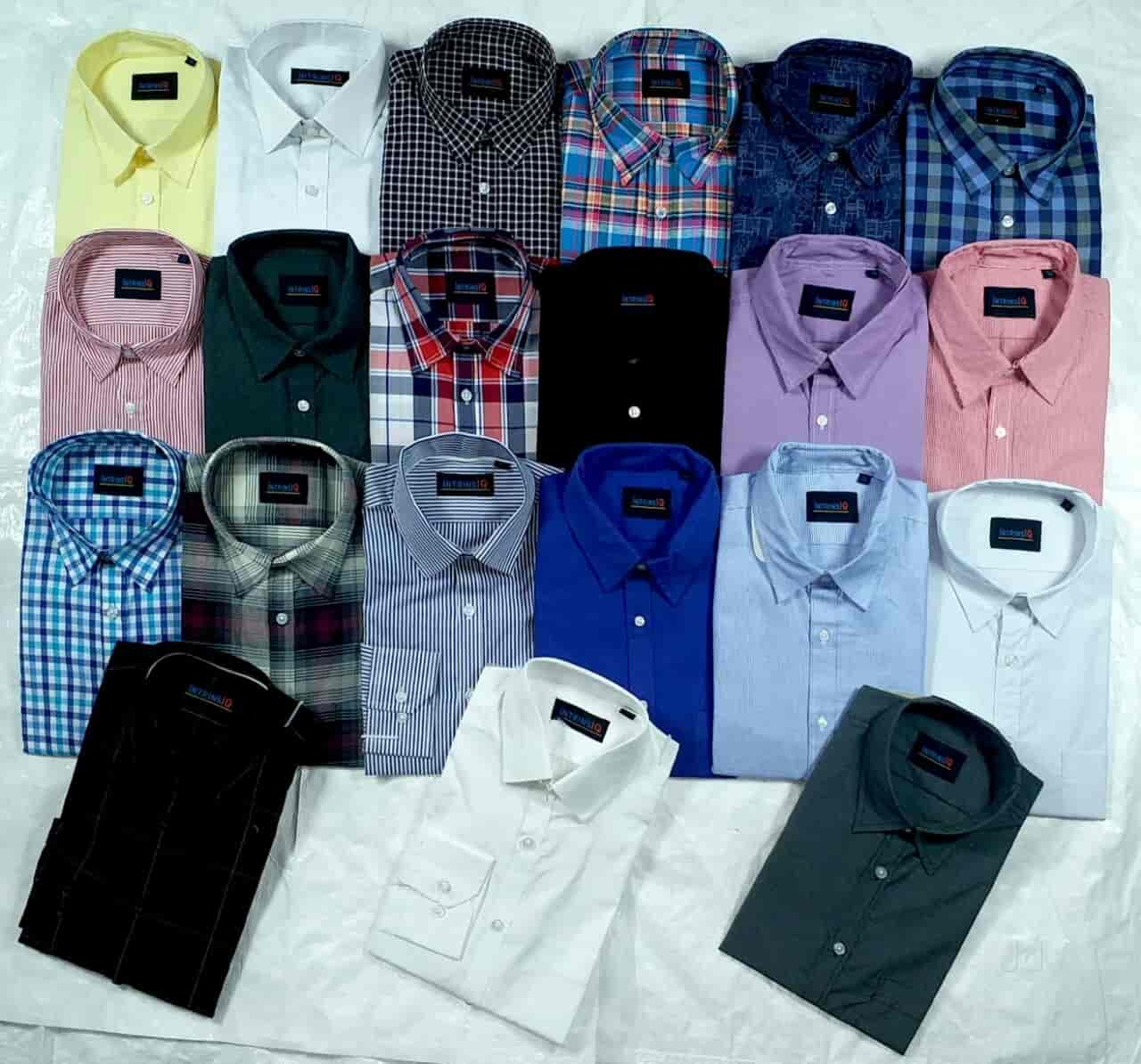
Fashion is a reflection of culture, technology, social norms, and personal identity. Throughout history, men’s garments have undergone significant transformations, shifting from purely functional clothing to styles that express personality and social status. The evolution of men’s fashion mirrors changes in society, economics, and lifestyle. From ancient draped fabrics to modern smart casual wear, men’s clothing has experienced continuous development Alpargata silbon en las palmas.
In ancient civilizations, clothing was mainly designed for protection against environmental conditions rather than style. Early men’s garments were simple, practical, and made from natural materials such as animal skins, wool, and plant fibers. In regions with warmer climates, men often wore lightweight draped clothing that allowed air circulation and comfort. For example, ancient Egyptians favored linen garments due to the hot weather, while people in colder regions used thicker animal hides for warmth. During this period, clothing also indicated social class and authority. Rulers and wealthy individuals wore decorated garments made with finer materials to distinguish themselves from common people.
During the classical and medieval periods, men’s fashion became more structured and symbolic. In Europe, long tunics, cloaks, and layered garments were common. Nobility and warriors often wore elaborate outfits that reflected their social position and occupation. Armor became an essential part of men’s clothing for soldiers, combining protection with power representation. Fabrics such as silk began to appear in wealthy societies due to trade routes connecting different civilizations.
The Renaissance period brought remarkable changes to men’s garments as art, culture, and science flourished. Clothing became more decorative and tailored. Men started wearing fitted jackets, breeches, and embellished fabrics that demonstrated wealth and social standing. Tailoring techniques improved, allowing clothes to follow body shapes more closely. Fashion was no longer only about survival or class distinction but also about aesthetic appeal. Influential fashion trends during this time were shaped by European aristocracy, where elegance and sophistication were highly valued.
The Industrial Revolution marked one of the most important turning points in the history of men’s garments. Mass production technology made clothing more affordable and accessible to the general population. Before this period, clothing was mostly handmade and expensive. With the rise of textile factories, standardized sizing and ready-to-wear garments became common. Men’s clothing also started becoming more practical for work environments. Dark-colored suits became popular because they were less likely to show dirt, which suited industrial workers and office professionals.
The 19th century introduced the modern suit as a dominant element of men’s fashion. The three-piece suit, consisting of trousers, waistcoat, and jacket, became the symbol of professionalism and respectability. Businessmen, politicians, and educated professionals preferred formal attire. During this era, men’s clothing became more conservative compared to earlier decorative styles. Simplicity, elegance, and uniformity were highly appreciated.
In the early 20th century, men’s garments experienced both traditional and revolutionary influences. World events such as wars changed clothing needs dramatically. Military uniforms influenced civilian fashion by introducing structured jackets, durable fabrics, and practical designs. After World War periods, casual clothing started gaining popularity as lifestyles became more relaxed. People began prioritizing comfort along with appearance.
The mid-20th century witnessed the emergence of youth culture and modern fashion movements. Music, cinema, and celebrity influences played a major role in shaping men’s clothing trends. The introduction of denim jeans revolutionized everyday wear. Originally designed as workwear, jeans became a symbol of youth, rebellion, and casual lifestyle. T-shirts also became widely accepted as daily wear rather than undergarments.
Fashion designers also played an important role in transforming men’s garments during this era. Designers experimented with colors, cuts, and styles, breaking traditional rules of men’s clothing. Influential designers such as Gianni Versace contributed to making men’s fashion more bold, expressive, and luxurious. Patterns, brighter colors, and modern tailoring techniques became popular among fashion-conscious men.
The late 20th and early 21st centuries introduced globalization and technological advancement to the fashion industry. Men’s garments became more diverse as cultural exchange increased. Western fashion spread worldwide, while traditional clothing from different regions also gained international recognition. The business suit remained an important symbol of professionalism, but casual and semi-formal wear became equally significant.
Modern men’s fashion focuses heavily on comfort, versatility, and individuality. Today, men have access to a wide variety of clothing styles, including smart casual outfits, streetwear, athletic wear, and formal business attire. Materials used in modern garments are often lightweight, breathable, and durable. Technological innovation has introduced performance fabrics that help regulate body temperature and improve mobility.
Streetwear culture has become one of the most influential modern fashion movements. Hoodies, sneakers, oversized shirts, and graphic clothing are widely worn by younger generations. Social media platforms and celebrity endorsements have accelerated the spread of new trends across the world. Fashion is no longer restricted to traditional gender expectations, and men are experimenting more with colors, accessories, and designs.
Sustainability has also become an important consideration in modern men’s clothing. Environmental concerns have encouraged the development of eco-friendly fabrics and ethical production methods. Many fashion companies are now focusing on reducing waste and promoting sustainable fashion practices. Consumers are becoming more conscious of the environmental impact of clothing production.
Technology continues to reshape the future of men’s garments. Smart clothing integrated with digital devices is gradually emerging. Researchers are developing garments that can monitor health conditions, regulate temperature, and provide enhanced comfort. These innovations may transform the way men dress in the coming decades.
In conclusion, the history of men’s garments shows a continuous journey of transformation influenced by culture, technology, and social change. From simple protective clothing in ancient times to highly sophisticated modern fashion, men’s clothing has evolved significantly. While early garments focused mainly on practicality, modern fashion balances style, comfort, and functionality. As society continues to develop, men’s fashion will likely become even more diverse and innovative. The future of men’s garments promises exciting possibilities as designers and technology work together to redefine clothing standards.
