
The Mechanics Behind Parallel Shaft Drive Gearboxes
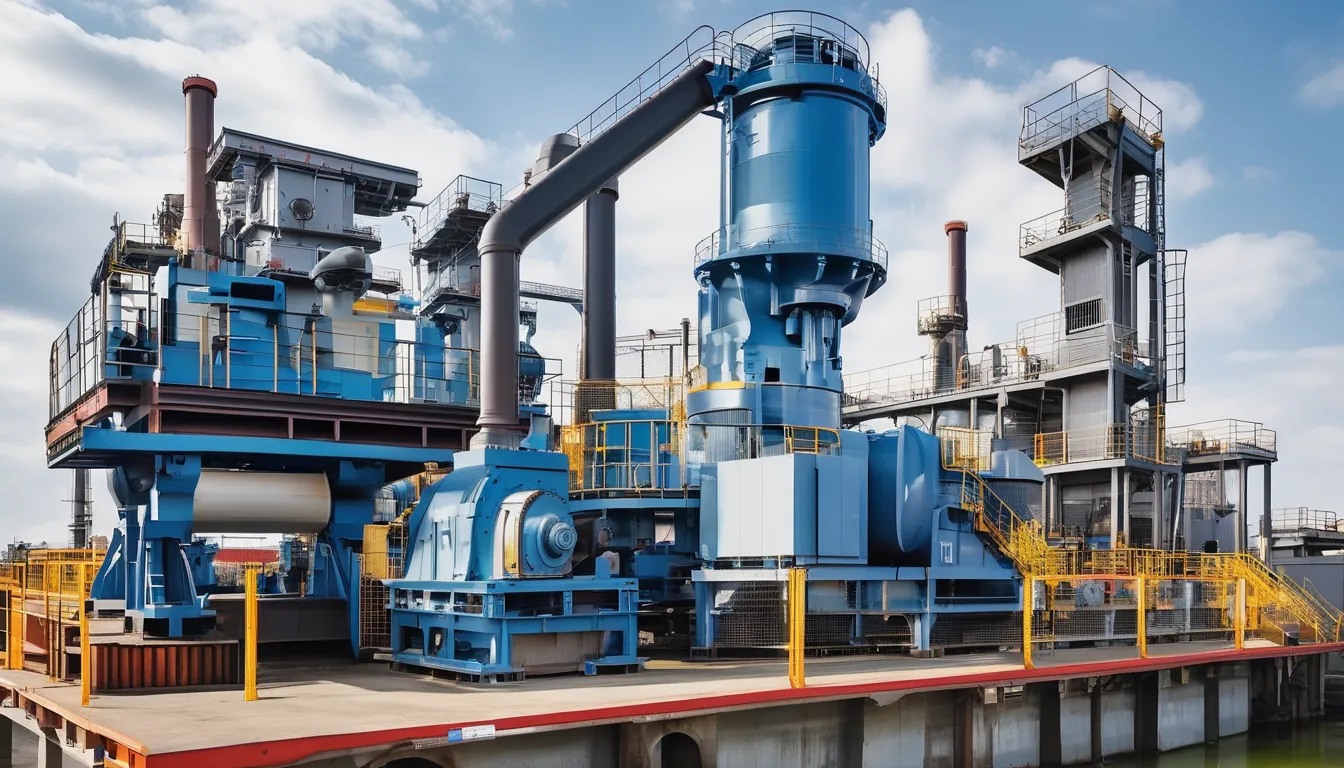
When you think about power transmission in machinery, parallel shaft drive gearboxes often come to mind due to their efficiency and reliability. You might wonder how these systems manage to transfer power with minimal energy loss while also maintaining durability. The mechanics behind this design aren’t just about gears; they involve precise alignment and load distribution that enhance performance across various applications. What truly sets this technology apart, though, is the intricate balance of components that work seamlessly together. Understanding these elements can reveal much more than you’d expect about their role in today’s industries.
Overview of Parallel Shaft Gearboxes
Since their introduction in various industrial applications, parallel shaft gearboxes have become essential for efficient power transmission. These gearboxes utilize parallel shafts to transmit power between input and output shafts, minimizing energy losses in the process.
You’ll find that their design allows for compact arrangements, making them ideal for tight spaces in machinery and equipment.
One of the main advantages of parallel shaft gearboxes is their ability to handle high torque loads while maintaining smooth operation. This makes them suitable for a variety of applications, from conveyor systems to industrial mixers.
By converting rotational motion and adjusting speed, these gearboxes enhance the performance of the systems they’re integrated into.
You should also consider their versatility. Parallel shaft gearboxes can be configured in different ratios, allowing you to achieve the desired output speed and torque.
This adaptability is crucial in industries where precision and efficiency are paramount. Additionally, their robust construction ensures durability, even in demanding environments.
Key Components and Their Functions
Understanding the key components of parallel shaft gearboxes is crucial for optimizing their performance. These components work together to transmit power efficiently while maintaining durability and reliability. Here’s a breakdown of the main parts you’ll encounter.
| Component | Function | Importance |
|---|---|---|
| Gears | Change the direction and speed of rotation | Critical for torque conversion |
| Shafts | Transfer power between components | Essential for maintaining alignment |
| Bearings | Support rotating elements | Reduces friction and wear |
| Housing | Encloses and protects internal components | Ensures structural integrity and safety |
Each of these components plays a vital role. Gears adjust the mechanical advantage, while shafts form the backbone of power transmission. Bearings minimize friction, prolonging the gearbox’s life, and the housing keeps everything secure and functioning smoothly. Knowing how these parts work will help you troubleshoot issues and maintain your gearbox effectively. By focusing on these key components, you can ensure your parallel shaft gearbox operates at its best.
Operating Principles Explained
Parallel shaft gearboxes operate on fundamental principles that govern their efficiency and performance. Understanding these principles is crucial for maximizing your system’s effectiveness.
Here’s a breakdown of how they work:
- Torque Transmission: The design allows for the transfer of torque from the input shaft to the output shaft, ensuring minimal energy loss.
- Gear Reduction: By using different gear sizes, these gearboxes effectively reduce speed while increasing torque, making them ideal for various applications.
- Alignment: The parallel arrangement of shafts minimizes friction and wear, enhancing the durability and lifespan of the gearbox.
- Load Distribution: The design ensures even load distribution across the gears, reducing stress points and preventing premature failure.
Advantages of Parallel Shaft Gearboxes
The advantages of parallel shaft gearboxes stem from their efficient design and robust performance. First, these gearboxes provide a compact structure, allowing you to save valuable space in machinery setups. Their design minimizes the distance between the input and output shafts, which not only reduces the overall footprint but also enhances the gearbox’s efficiency.
Moreover, parallel shaft gearboxes offer excellent torque transmission capabilities. You’ll find that they can handle high torque loads while maintaining smooth operation, making them ideal for various applications. Their ability to maintain a consistent gear ratio contributes to reliable performance, ensuring your machinery operates effectively.
Another key benefit is their durability. With fewer moving parts compared to other gearbox types, you’ll experience lower wear and tear, leading to longer maintenance intervals. This enhances reliability and reduces downtime, which is crucial for maintaining productivity in your operations.
Lastly, parallel shaft gearboxes are versatile. They come in various configurations to suit different needs, which makes them an adaptable choice for diverse applications.
Applications Across Industries
Versatility is a hallmark of parallel shaft drive gearboxes, making them indispensable across a variety of industries. You’ll find these gearboxes in applications where efficiency and reliability are crucial.
They’re designed to deliver consistent performance, which is why many sectors trust them for their operations.
Here are four key industries that benefit from parallel shaft drive gearboxes:
- Manufacturing: In assembly lines, they help power conveyors and machinery, ensuring smooth and efficient workflows.
- Agriculture: Used in tractors and harvesting equipment, they enable farmers to maximize productivity and reduce downtime.
- Automotive: In electric vehicles and other machinery, they optimize power transfer for better fuel efficiency and performance.
- Mining: They play a vital role in heavy machinery, providing the torque needed for extraction processes.
With their ability to handle a range of speeds and torques, parallel shaft drive gearbox manufacturer es adapt seamlessly to various applications.
No matter the industry, their contributions are critical for enhancing productivity and operational efficiency.
Conclusion
In conclusion, parallel shaft drive gearboxes are vital for efficient power transmission in various applications. Their innovative design and key components work together to enhance performance, reduce energy loss, and improve durability. By understanding their mechanics, you can appreciate the advantages they offer across industries, from manufacturing to automotive. Whether you’re involved in engineering or just curious about machinery, recognizing the role of these gearboxes can deepen your insight into effective mechanical systems.
Top Technological Trends in Industrial Gearboxes
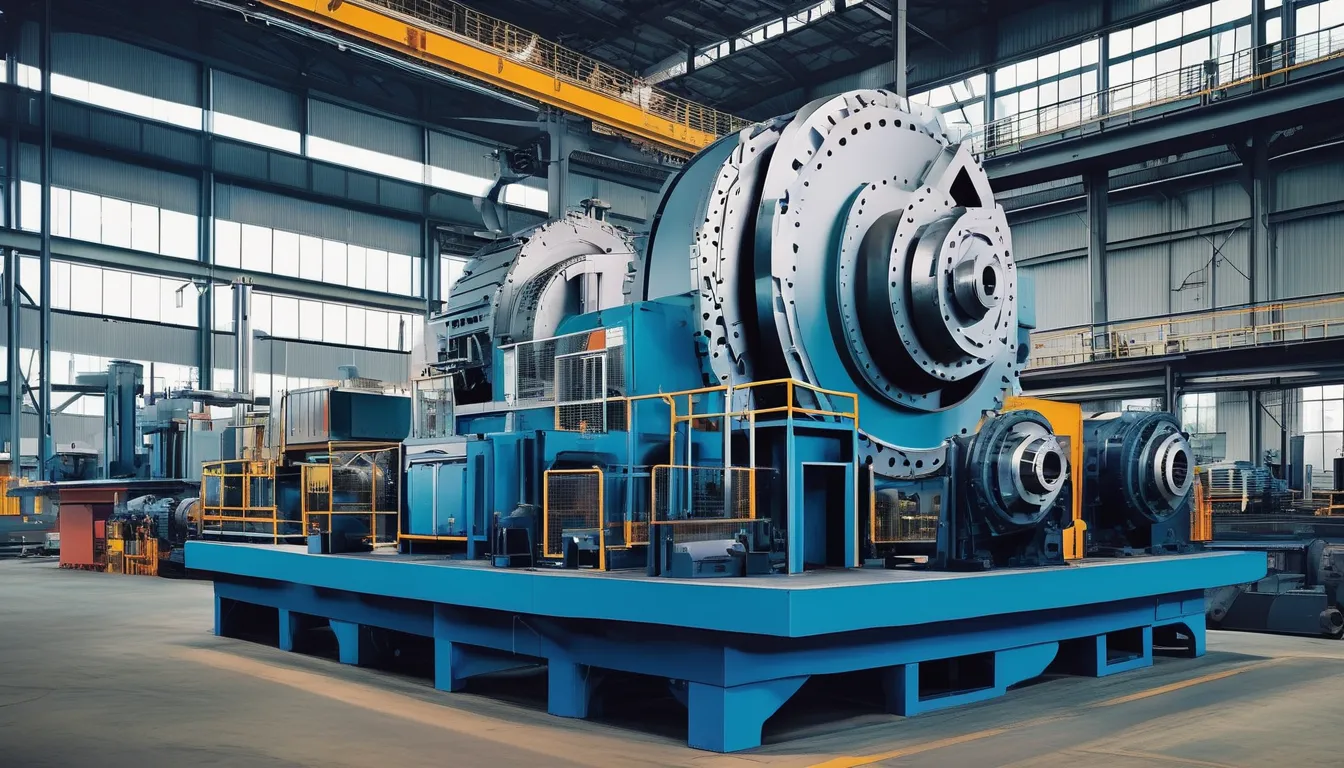
As you explore the realm of industrial gearboxes, you’ll find a landscape evolving with cutting-edge technologies that are reshaping the very core of manufacturing processes. From IoT sensors that revolutionize maintenance strategies to the rise of digital twins predicting potential issues, each trend plays a vital role in enhancing gearbox efficiency and performance. Moreover, advancements in 3D printing and automation are pushing boundaries, while enhanced data analytics and machine learning pave the way for self-optimizing smart gearboxes. The future of industrial gearboxes is undoubtedly intriguing, offering a glimpse into a world where innovation and precision seamlessly intertwine.
IoT Integration and Predictive Maintenance
When it comes to industrial Industrial Gear Drive es, IoT integration and predictive maintenance have revolutionized the way maintenance is approached. By incorporating IoT technology into industrial gearboxes, you gain real-time insight into the functioning of your machinery. Sensors embedded within the gearbox can monitor variables like temperature, vibration, and lubrication levels, allowing you to detect potential issues before they escalate. This proactive approach significantly reduces downtime and maintenance costs, ensuring optimal performance of your equipment.
Predictive maintenance takes this a step further by using data analytics and machine learning algorithms to predict when maintenance is required based on the gearbox’s actual condition, rather than a predetermined schedule. This predictive capability enables you to plan maintenance activities more efficiently, avoiding unplanned downtime and extending the lifespan of your gearboxes.
Rise of Digital Twins
The rise of digital twins in industrial gearboxes has transformed the way equipment is monitored and maintained. By creating a virtual replica of a physical gearbox, digital twins allow for real-time monitoring and analysis of its performance. This technology enables you to predict potential issues before they occur, optimizing maintenance schedules and minimizing downtime.
Digital twins utilize data from sensors embedded in the gearbox to provide valuable insights into its operation. Through advanced analytics and machine learning algorithms, these digital replicas can simulate different scenarios, helping you make informed decisions to enhance performance and efficiency.
By monitoring key parameters such as temperature, vibration, and lubrication levels, digital twins enable proactive maintenance strategies, reducing the risk of unexpected failures.
Furthermore, digital twins facilitate remote monitoring, allowing you to access critical gearbox information from anywhere. This capability enhances overall equipment effectiveness by enabling quick troubleshooting and decision-making.
Embracing digital twins in industrial gearboxes isn’t just a trend but a smart investment in improving operational reliability and productivity.
Advancements in 3D Printing
Advancements in 3D printing technology have revolutionized the manufacturing industry, offering innovative solutions for creating complex components with speed and precision. 3D printing, also known as additive manufacturing, allows for the production of intricate gearbox parts that traditional manufacturing methods struggle to achieve. This technology enables customization, rapid prototyping, and cost-effective small-batch production.
| Benefits of 3D Printing in Gearbox Manufacturing | ||
|---|---|---|
| Complex Geometries | Rapid Prototyping | Cost-Effective Small-Batch Production |
| Ability to create intricate shapes and structures | Quick production of prototypes for testing | Cost savings in producing low volumes of parts |
| Reduces the need for assembly of multiple components | Faster product development cycles | Less waste and lower tooling costs |
These advantages make 3D printing a game-changer in the gearbox manufacturing sector, providing engineers with new design possibilities and streamlining the production process.
Automation and Robotics in Gearbox Manufacturing
Pioneering a new era in gearbox manufacturing, automation and robotics have emerged as pivotal technologies reshaping production processes.
Automating gearbox manufacturing offers numerous advantages, such as:
- Enhanced Precision: Robots can perform intricate tasks with unparalleled accuracy, ensuring each gearbox component meets exact specifications.
- Increased Efficiency: Automation streamlines production lines, reducing downtime and enhancing overall productivity.
- Improved Safety: Robots can handle hazardous materials and heavy machinery, minimizing the risks associated with manual labor.
Implementing robotics in gearbox manufacturing also allows for greater customization and flexibility in production, adapting quickly to changes in demand and design requirements.
By integrating automation into the manufacturing process, companies can achieve higher levels of consistency and quality control while optimizing operational costs.
As technology continues to evolve, the role of automation and robotics in gearbox manufacturing will undoubtedly become even more integral to the industry’s advancement.
Enhanced Data Analytics and Machine Learning
With the rapid growth of data analytics and machine learning technologies, gearbox manufacturers are now leveraging advanced tools to optimize production processes and enhance performance. By implementing enhanced data analytics, manufacturers can gather valuable insights from gearbox operations, leading to proactive maintenance schedules and improved efficiency. Machine learning algorithms analyze vast amounts of data in real-time, enabling predictive maintenance to prevent costly downtimes.
Moreover, the integration of machine learning in gearbox manufacturing allows for the development of smart gearboxes capable of self-optimizing based on operational data. These intelligent gearboxes adapt to changing conditions, maximizing performance and longevity.
Conclusion
In conclusion, by embracing IoT, digital twins, 3D printing, automation, and advanced data analytics, industrial gearboxes are undergoing a technological evolution that is revolutionizing the manufacturing industry. With real-time insights, predictive maintenance, rapid part production, automated processes, and optimized performance, smart gearboxes are paving the way for increased efficiency, reduced downtime, and cost savings. Stay ahead of the curve by integrating these top technological trends in your gearbox production processes.
