
The Future of Higher Education in Yemen Challenges and Innovations

You’re likely aware that higher education in Yemen is at a crossroads, grappling with severe challenges like ongoing conflict and economic instability. Yet, amidst these difficulties, innovative solutions are slowly taking shape, aiming to meet the local community’s needs. As you consider how these developments might transform the educational landscape, it’s crucial to examine the role of technology and its potential to reshape learning experiences. What could this mean for the future of students and institutions in Yemen?
Current State of Higher Education
The current state of higher education in Yemen faces significant challenges as the country grapples with ongoing conflict and economic instability.
Universities struggle to maintain operations, with many facilities damaged or repurposed for other uses. You’ll notice that enrollment rates have dropped, as students are often unable to afford tuition or travel due to safety concerns.
Faculty members frequently leave the country in search of better opportunities, resulting in a decline in the quality of education. Degree programs may lack essential resources, like updated materials or technology, which further hinders your learning experience.
Moreover, the curriculum often fails to align with the needs of the job market, leaving graduates unprepared for employment.
Despite these challenges, some institutions are attempting to adapt. You might find efforts to incorporate online learning, which can provide access to education for those in remote areas.
Additionally, partnerships with international organizations aim to enhance educational resources and opportunities.
Navigating this complex landscape, you’ll discover that resilience and innovation are crucial for the future of higher education in Yemen, as both students and educators work to overcome the obstacles they face.
Major Challenges Faced
Amidst the ongoing challenges in higher education, several major issues persist that further complicate the situation in Yemen. You’re likely aware of the severe lack of funding, which hampers institutions from providing quality education and maintaining facilities.
With limited resources, universities struggle to attract qualified faculty, resulting in a decline in the quality of instruction.
Additionally, the ongoing conflict has disrupted access to educational materials and technology, leaving students and educators at a disadvantage. You might also notice that many students face difficulties in securing transportation and safe environments to pursue their studies.
Another pressing challenge is the mismatch between educational programs and job market demands. Graduates often find themselves unprepared for available positions, leading to high unemployment rates among youth.
Moreover, political instability and social unrest contribute to an uncertain future for higher education. Students and faculty may be reluctant to engage fully in their academic pursuits due to fear and insecurity.
These challenges collectively create a daunting landscape for higher education in Yemen, making it crucial for stakeholders to address these issues head-on to foster a more sustainable educational environment.
Innovative Solutions Emerging
In response to the pressing challenges in higher education, innovative solutions are beginning to take shape across Yemen. Educators and institutions are creatively addressing issues such as limited resources and accessibility.
You might notice several promising approaches that can transform the educational landscape:
- Community-Based Learning: Universities are collaborating with local communities to design curricula that reflect regional needs and realities, making sciences more relevant.
- Flexible Learning Options: Institutions are adopting evening and weekend classes, enabling working students to pursue their degrees without sacrificing their jobs.
- Peer-to-Peer Networks: Students are forming study groups and mentorship programs, fostering a supportive academic environment that enhances learning.
- Micro-Credentialing Programs: Short, skill-focused courses are emerging, allowing students to quickly acquire specific competencies that meet job market demands.
- Scholarship Initiatives: Organizations are launching scholarship programs aimed at underprivileged students, increasing access to higher education for those who need it most.
These innovative solutions represent a proactive approach to overcoming barriers, ensuring that higher education in Yemen evolves to meet both current and future needs.
Embracing these changes could significantly enhance your educational journey.
Role of Technology
Technology plays a pivotal role in reshaping higher education in Yemen, offering new avenues for learning and accessibility. With the rise of online learning platforms and digital resources, you can access educational materials from anywhere, breaking down geographical barriers. This shift allows students in remote areas to engage with quality content and expert instructors, which wasn’t feasible before.
Moreover, technology enhances collaboration among students and educators. Virtual classrooms and discussion forums enable you to connect with peers and faculty, fostering a sense of community despite physical distances. You can participate in group projects, share ideas, and gain diverse perspectives, enriching your educational experience.
Additionally, the use of educational apps and tools streamlines administrative tasks, making it easier for institutions to manage operations and communication. You benefit from more efficient scheduling, grading, and feedback systems, allowing you to focus more on learning rather than bureaucratic hurdles.
Lastly, technology encourages lifelong learning. Whether through online courses or webinars, you can continue to develop your skills and knowledge, adapting to the ever-changing job market. Embracing technology in higher education isn’t just beneficial; it’s essential for a brighter future in Yemen.
Future Opportunities and Directions
As Yemen’s higher education landscape evolves, new opportunities are emerging for both students and institutions.
You’ll find that embracing innovative teaching methods and technologies can significantly enhance the learning experience. This shift opens doors for collaboration with international universities, allowing you to access a broader range of resources and expertise.
Consider these future opportunities for higher education in Yemen:
- Online Learning Platforms: Enhance accessibility and flexibility for students across the country.
- International Partnerships: Foster exchange programs that enrich academic and cultural experiences.
- Research Initiatives: Encourage collaboration on local and regional issues, driving innovation and practical solutions.
- Skill Development Programs: Equip students with the necessary skills to meet market demands and contribute to economic growth.
- Community Engagement: Establish programs that connect students with local communities, promoting social responsibility and real-world application of knowledge.
Conclusion
In conclusion, while the future of higher education in Yemen faces hurdles, innovative solutions and technology offer a path forward. By embracing community-based learning, flexible options, and micro-credentialing, you can help create an educational landscape that meets local needs and enhances skill development. As you navigate these changes, remember that collaboration and adaptability will be key in building a resilient system that empowers students and fosters growth in the face of adversity.
Sail the Arabian Gulf Ultimate Guide to Yacht Rentals in Dubai

If you’re considering a yacht rental in Dubai, you might be surprised by the variety available—from sleek sailing yachts to lavish mega yachts, each offering unique experiences on the Arabian Gulf. With popular routes that take you past stunning landmarks, you can tailor your journey to fit any occasion. But before you set sail, understanding how to choose the right yacht and what to expect from rental companies can make all the difference. So, what factors should you keep in mind to ensure your time on the water is truly memorable?
Types of Yachts Available
When it comes to yacht rentals in Dubai, you’ll find a diverse range of options to suit every taste and budget.
Whether you’re looking for a small, intimate boat for a romantic getaway or a luxurious mega yacht for a grand celebration, you’ll be spoiled for choice.
Sailing enthusiasts can choose from sailing yachts that offer an authentic experience of navigating the waters while feeling the wind in your hair.
For those who prefer comfort and luxury, motor yachts provide spacious interiors and powerful engines, making them ideal for longer excursions.
Catamarans are another popular choice, offering stability and ample deck space for socializing or sunbathing.
If you’re planning a big event like a birthday party or corporate gathering, consider chartering a luxury yacht equipped with modern amenities, including multiple cabins, a hot tub, and even a chef.
You can also find eco-friendly options, such as solar-powered yachts, for a sustainable sailing experience.
No matter what you choose, you’re bound to create unforgettable memories while cruising the stunning coastline of Dubai.
Just remember to book in advance, especially during peak seasons, to secure your preferred yacht.
Choosing the Right Yacht
Selecting the right yacht for your Dubai adventure can make all the difference in your experience on the water.
First, think about the size of your group. If you’re planning a fun day out with friends, a smaller yacht might suffice, but for larger gatherings, you’ll need something more spacious.
Next, consider the amenities that matter most to you. Do you want a yacht with a sun deck for lounging, a fully-equipped kitchen, or perhaps water sports equipment? Knowing what you’ll need helps narrow down your options.
Don’t forget to factor in the duration of your rental. Some yachts are better suited for short trips, while others are designed for longer excursions.
Also, check the yacht’s condition and age. Newer models often come with modern features and better performance, enhancing your overall experience.
Lastly, be sure to read customer reviews and ask for recommendations. A yacht’s reputation can provide valuable insights into what you can expect.
Popular Yacht Rental Companies
While exploring yacht rental options in Dubai, you’ll encounter several popular companies known for their exceptional service and diverse fleet. One standout is Xclusive Yachts, which offers a range of luxurious vessels for both short and long-term rentals. Their experienced crew ensures a top-notch experience, making them a favorite among tourists and locals alike.
Another reputable option is Royal Yachts, known for its stunning selection of mega yachts. They provide fully customizable packages that allow you to tailor your trip to your preferences.
If you’re looking for a more budget-friendly choice, Dubai Marina Yacht Club offers a variety of smaller yachts and sailing boats that don’t compromise on quality or service.
Al Wasl Yachts is also worth considering, as they focus on providing a personalized touch with every rental. Their commitment to customer satisfaction sets them apart in the competitive market.
Finally, Nautilus Yacht Charters specializes in eco-friendly vessels, allowing you to enjoy the stunning coastlines without harming the environment.
Best Routes and Destinations
Exploring the best routes and destinations for your yacht rentals in dubai rental in Dubai promises to elevate your experience on the water.
Start your adventure by cruising past the stunning Dubai Marina, where you’ll be surrounded by impressive skyscrapers and luxurious waterfront properties. This vibrant area is perfect for a leisurely sail, offering picturesque views and a lively atmosphere.
Next, head towards the iconic Palm Jumeirah. As you glide along the crescent-shaped island, take in the breathtaking views of Atlantis, The Palm, and the stunning beachfront villas. This is a must-see destination for any yacht enthusiast.
If you’re seeking tranquility, steer your yacht towards the serene waters of the Arabian Gulf. Discover the hidden gems of the Bluewaters Island, home to the famous Ain Dubai, and enjoy a relaxing day anchored near the beach.
For a longer journey, consider sailing to the nearby natural wonders of the Musandam Peninsula. Its dramatic fjords and crystal-clear waters offer a unique experience, perfect for swimming and snorkeling.
With so many spectacular routes and destinations, your yacht rental in Dubai will be unforgettable.
Tips for a Memorable Experience
To make the most of your yacht rental experience in Dubai, planning ahead is key. Start by choosing the right time of year. The winter months offer pleasant weather, while summer can be hot. Early morning or sunset cruises provide stunning views and cooler temperatures.
Next, consider your itinerary. Research popular spots like the Burj Al Arab and Palm Jumeirah. Tailor your route based on your interests—whether you want to swim, snorkel, or simply relax on deck.
Don’t forget to pack essentials. Bring sunscreen, hats, and sunglasses to protect yourself from the sun. If you’re planning to swim, a swimsuit and towels are a must.
If you’re celebrating a special occasion, check with your rental company about catering options or onboard entertainment. Personalizing your experience can elevate your adventure.
Conclusion
Sailing the Arabian Gulf in Dubai is an experience you won’t forget. With a variety of yachts to choose from and breathtaking views of iconic landmarks, you can tailor your adventure to suit your style. Whether you’re celebrating a special occasion or enjoying a romantic day, the right yacht rental company will ensure you have everything you need. So, get ready to embark on an unforgettable journey and make lasting memories on the stunning waters of Dubai!
The Mechanics Behind Parallel Shaft Drive Gearboxes
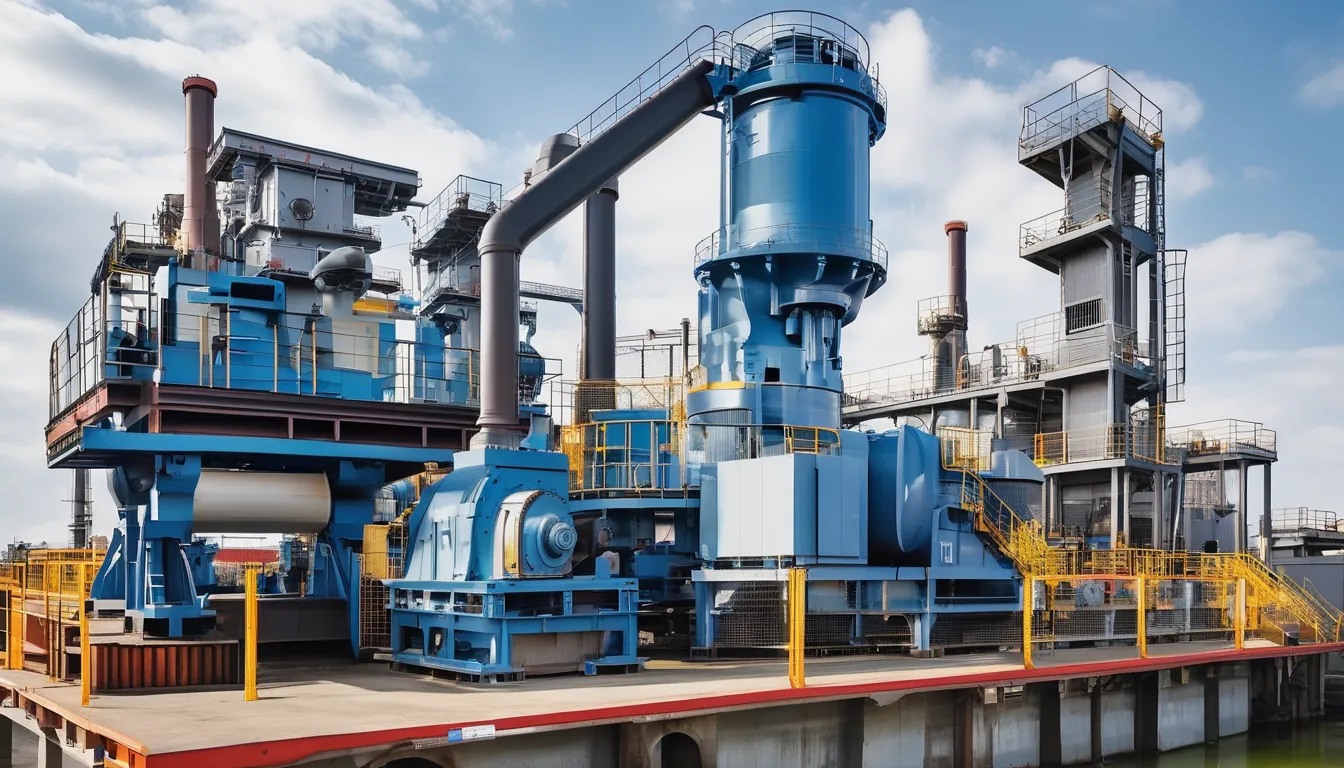
When you think about power transmission in machinery, parallel shaft drive gearboxes often come to mind due to their efficiency and reliability. You might wonder how these systems manage to transfer power with minimal energy loss while also maintaining durability. The mechanics behind this design aren’t just about gears; they involve precise alignment and load distribution that enhance performance across various applications. What truly sets this technology apart, though, is the intricate balance of components that work seamlessly together. Understanding these elements can reveal much more than you’d expect about their role in today’s industries.
Overview of Parallel Shaft Gearboxes
Since their introduction in various industrial applications, parallel shaft gearboxes have become essential for efficient power transmission. These gearboxes utilize parallel shafts to transmit power between input and output shafts, minimizing energy losses in the process.
You’ll find that their design allows for compact arrangements, making them ideal for tight spaces in machinery and equipment.
One of the main advantages of parallel shaft gearboxes is their ability to handle high torque loads while maintaining smooth operation. This makes them suitable for a variety of applications, from conveyor systems to industrial mixers.
By converting rotational motion and adjusting speed, these gearboxes enhance the performance of the systems they’re integrated into.
You should also consider their versatility. Parallel shaft gearboxes can be configured in different ratios, allowing you to achieve the desired output speed and torque.
This adaptability is crucial in industries where precision and efficiency are paramount. Additionally, their robust construction ensures durability, even in demanding environments.
Key Components and Their Functions
Understanding the key components of parallel shaft gearboxes is crucial for optimizing their performance. These components work together to transmit power efficiently while maintaining durability and reliability. Here’s a breakdown of the main parts you’ll encounter.
| Component | Function | Importance |
|---|---|---|
| Gears | Change the direction and speed of rotation | Critical for torque conversion |
| Shafts | Transfer power between components | Essential for maintaining alignment |
| Bearings | Support rotating elements | Reduces friction and wear |
| Housing | Encloses and protects internal components | Ensures structural integrity and safety |
Each of these components plays a vital role. Gears adjust the mechanical advantage, while shafts form the backbone of power transmission. Bearings minimize friction, prolonging the gearbox’s life, and the housing keeps everything secure and functioning smoothly. Knowing how these parts work will help you troubleshoot issues and maintain your gearbox effectively. By focusing on these key components, you can ensure your parallel shaft gearbox operates at its best.
Operating Principles Explained
Parallel shaft gearboxes operate on fundamental principles that govern their efficiency and performance. Understanding these principles is crucial for maximizing your system’s effectiveness.
Here’s a breakdown of how they work:
- Torque Transmission: The design allows for the transfer of torque from the input shaft to the output shaft, ensuring minimal energy loss.
- Gear Reduction: By using different gear sizes, these gearboxes effectively reduce speed while increasing torque, making them ideal for various applications.
- Alignment: The parallel arrangement of shafts minimizes friction and wear, enhancing the durability and lifespan of the gearbox.
- Load Distribution: The design ensures even load distribution across the gears, reducing stress points and preventing premature failure.
Advantages of Parallel Shaft Gearboxes
The advantages of parallel shaft gearboxes stem from their efficient design and robust performance. First, these gearboxes provide a compact structure, allowing you to save valuable space in machinery setups. Their design minimizes the distance between the input and output shafts, which not only reduces the overall footprint but also enhances the gearbox’s efficiency.
Moreover, parallel shaft gearboxes offer excellent torque transmission capabilities. You’ll find that they can handle high torque loads while maintaining smooth operation, making them ideal for various applications. Their ability to maintain a consistent gear ratio contributes to reliable performance, ensuring your machinery operates effectively.
Another key benefit is their durability. With fewer moving parts compared to other gearbox types, you’ll experience lower wear and tear, leading to longer maintenance intervals. This enhances reliability and reduces downtime, which is crucial for maintaining productivity in your operations.
Lastly, parallel shaft gearboxes are versatile. They come in various configurations to suit different needs, which makes them an adaptable choice for diverse applications.
Applications Across Industries
Versatility is a hallmark of parallel shaft drive gearboxes, making them indispensable across a variety of industries. You’ll find these gearboxes in applications where efficiency and reliability are crucial.
They’re designed to deliver consistent performance, which is why many sectors trust them for their operations.
Here are four key industries that benefit from parallel shaft drive gearboxes:
- Manufacturing: In assembly lines, they help power conveyors and machinery, ensuring smooth and efficient workflows.
- Agriculture: Used in tractors and harvesting equipment, they enable farmers to maximize productivity and reduce downtime.
- Automotive: In electric vehicles and other machinery, they optimize power transfer for better fuel efficiency and performance.
- Mining: They play a vital role in heavy machinery, providing the torque needed for extraction processes.
With their ability to handle a range of speeds and torques, parallel shaft drive gearbox manufacturer es adapt seamlessly to various applications.
No matter the industry, their contributions are critical for enhancing productivity and operational efficiency.
Conclusion
In conclusion, parallel shaft drive gearboxes are vital for efficient power transmission in various applications. Their innovative design and key components work together to enhance performance, reduce energy loss, and improve durability. By understanding their mechanics, you can appreciate the advantages they offer across industries, from manufacturing to automotive. Whether you’re involved in engineering or just curious about machinery, recognizing the role of these gearboxes can deepen your insight into effective mechanical systems.
Top Technological Trends in Industrial Gearboxes
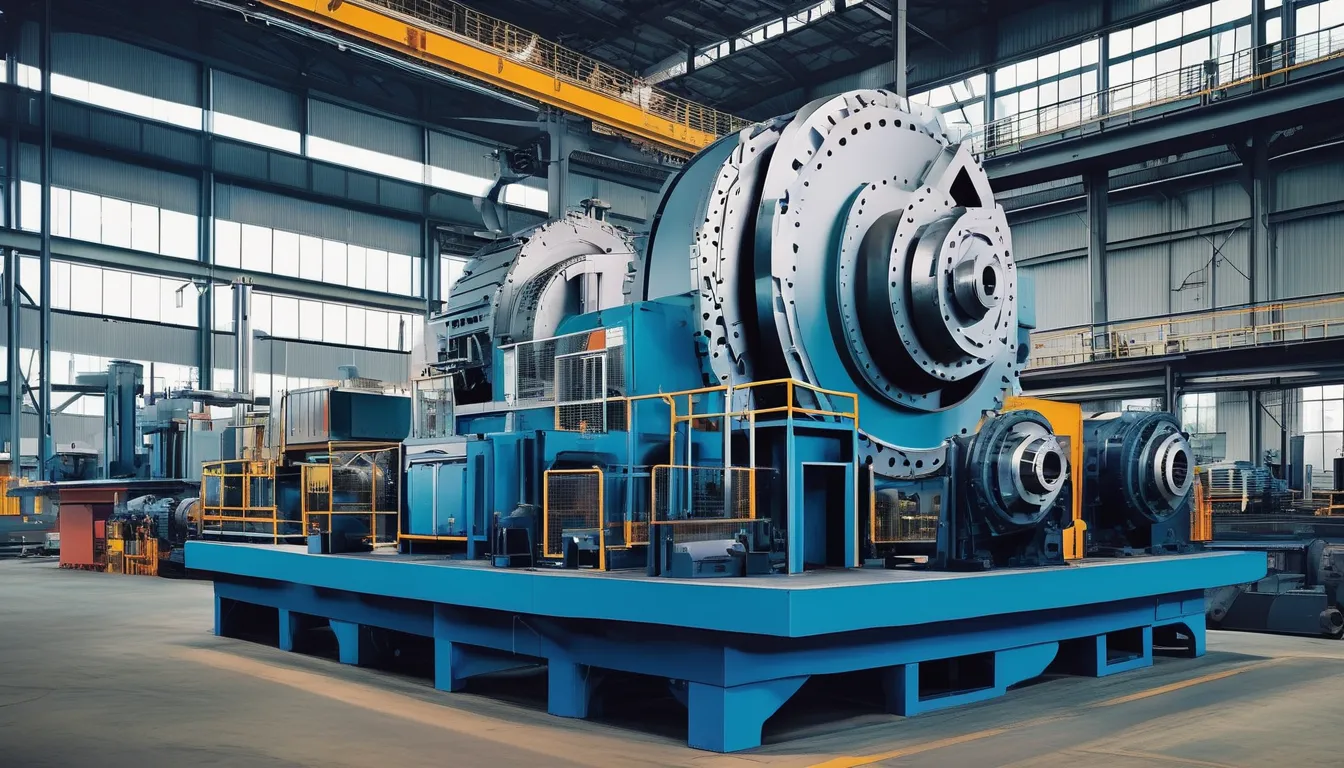
As you explore the realm of industrial gearboxes, you’ll find a landscape evolving with cutting-edge technologies that are reshaping the very core of manufacturing processes. From IoT sensors that revolutionize maintenance strategies to the rise of digital twins predicting potential issues, each trend plays a vital role in enhancing gearbox efficiency and performance. Moreover, advancements in 3D printing and automation are pushing boundaries, while enhanced data analytics and machine learning pave the way for self-optimizing smart gearboxes. The future of industrial gearboxes is undoubtedly intriguing, offering a glimpse into a world where innovation and precision seamlessly intertwine.
IoT Integration and Predictive Maintenance
When it comes to industrial Industrial Gear Drive es, IoT integration and predictive maintenance have revolutionized the way maintenance is approached. By incorporating IoT technology into industrial gearboxes, you gain real-time insight into the functioning of your machinery. Sensors embedded within the gearbox can monitor variables like temperature, vibration, and lubrication levels, allowing you to detect potential issues before they escalate. This proactive approach significantly reduces downtime and maintenance costs, ensuring optimal performance of your equipment.
Predictive maintenance takes this a step further by using data analytics and machine learning algorithms to predict when maintenance is required based on the gearbox’s actual condition, rather than a predetermined schedule. This predictive capability enables you to plan maintenance activities more efficiently, avoiding unplanned downtime and extending the lifespan of your gearboxes.
Rise of Digital Twins
The rise of digital twins in industrial gearboxes has transformed the way equipment is monitored and maintained. By creating a virtual replica of a physical gearbox, digital twins allow for real-time monitoring and analysis of its performance. This technology enables you to predict potential issues before they occur, optimizing maintenance schedules and minimizing downtime.
Digital twins utilize data from sensors embedded in the gearbox to provide valuable insights into its operation. Through advanced analytics and machine learning algorithms, these digital replicas can simulate different scenarios, helping you make informed decisions to enhance performance and efficiency.
By monitoring key parameters such as temperature, vibration, and lubrication levels, digital twins enable proactive maintenance strategies, reducing the risk of unexpected failures.
Furthermore, digital twins facilitate remote monitoring, allowing you to access critical gearbox information from anywhere. This capability enhances overall equipment effectiveness by enabling quick troubleshooting and decision-making.
Embracing digital twins in industrial gearboxes isn’t just a trend but a smart investment in improving operational reliability and productivity.
Advancements in 3D Printing
Advancements in 3D printing technology have revolutionized the manufacturing industry, offering innovative solutions for creating complex components with speed and precision. 3D printing, also known as additive manufacturing, allows for the production of intricate gearbox parts that traditional manufacturing methods struggle to achieve. This technology enables customization, rapid prototyping, and cost-effective small-batch production.
| Benefits of 3D Printing in Gearbox Manufacturing | ||
|---|---|---|
| Complex Geometries | Rapid Prototyping | Cost-Effective Small-Batch Production |
| Ability to create intricate shapes and structures | Quick production of prototypes for testing | Cost savings in producing low volumes of parts |
| Reduces the need for assembly of multiple components | Faster product development cycles | Less waste and lower tooling costs |
These advantages make 3D printing a game-changer in the gearbox manufacturing sector, providing engineers with new design possibilities and streamlining the production process.
Automation and Robotics in Gearbox Manufacturing
Pioneering a new era in gearbox manufacturing, automation and robotics have emerged as pivotal technologies reshaping production processes.
Automating gearbox manufacturing offers numerous advantages, such as:
- Enhanced Precision: Robots can perform intricate tasks with unparalleled accuracy, ensuring each gearbox component meets exact specifications.
- Increased Efficiency: Automation streamlines production lines, reducing downtime and enhancing overall productivity.
- Improved Safety: Robots can handle hazardous materials and heavy machinery, minimizing the risks associated with manual labor.
Implementing robotics in gearbox manufacturing also allows for greater customization and flexibility in production, adapting quickly to changes in demand and design requirements.
By integrating automation into the manufacturing process, companies can achieve higher levels of consistency and quality control while optimizing operational costs.
As technology continues to evolve, the role of automation and robotics in gearbox manufacturing will undoubtedly become even more integral to the industry’s advancement.
Enhanced Data Analytics and Machine Learning
With the rapid growth of data analytics and machine learning technologies, gearbox manufacturers are now leveraging advanced tools to optimize production processes and enhance performance. By implementing enhanced data analytics, manufacturers can gather valuable insights from gearbox operations, leading to proactive maintenance schedules and improved efficiency. Machine learning algorithms analyze vast amounts of data in real-time, enabling predictive maintenance to prevent costly downtimes.
Moreover, the integration of machine learning in gearbox manufacturing allows for the development of smart gearboxes capable of self-optimizing based on operational data. These intelligent gearboxes adapt to changing conditions, maximizing performance and longevity.
Conclusion
In conclusion, by embracing IoT, digital twins, 3D printing, automation, and advanced data analytics, industrial gearboxes are undergoing a technological evolution that is revolutionizing the manufacturing industry. With real-time insights, predictive maintenance, rapid part production, automated processes, and optimized performance, smart gearboxes are paving the way for increased efficiency, reduced downtime, and cost savings. Stay ahead of the curve by integrating these top technological trends in your gearbox production processes.
